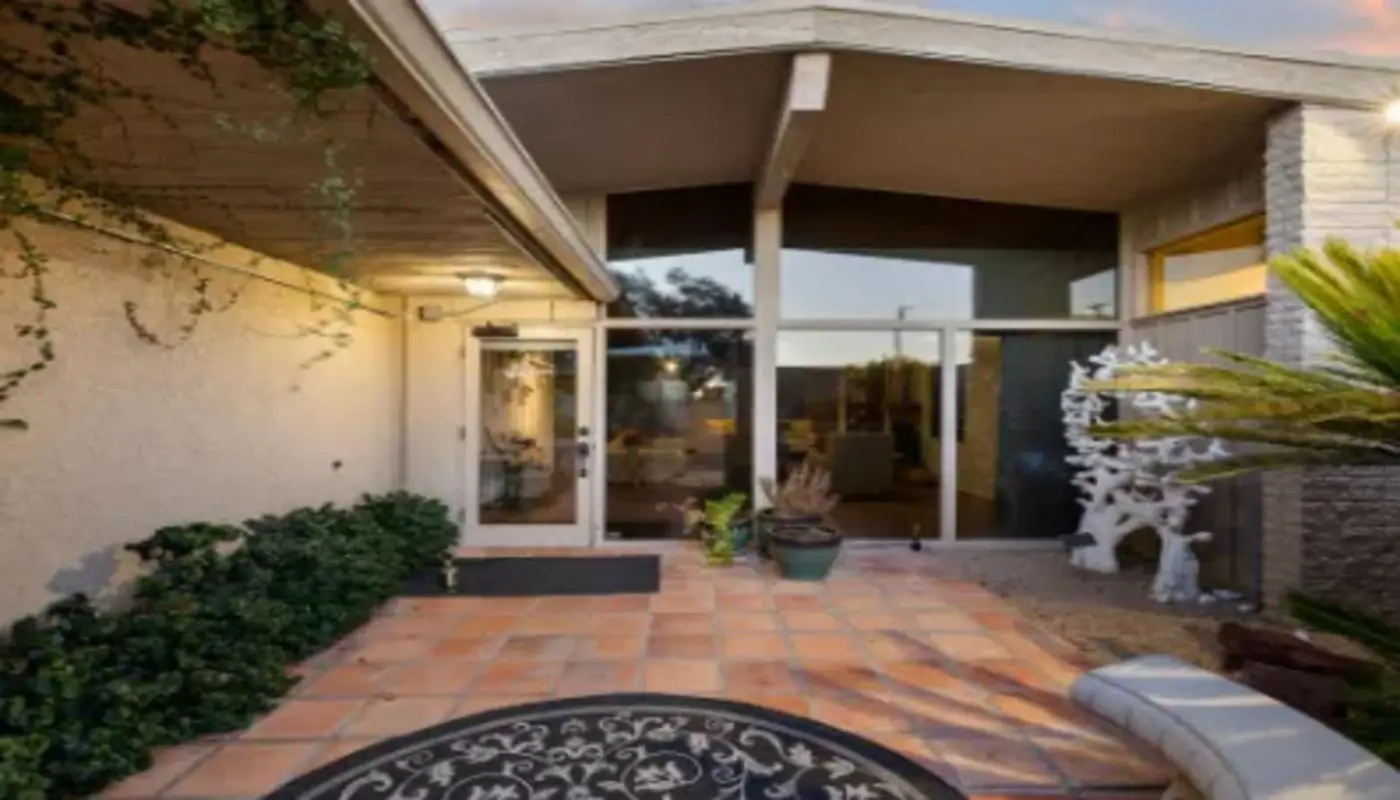
The Rosemary Tree Phoenix
The Rosemary Tree Phoenix serves adolescents and families as a behavioral health center. Residential and outpatient care are offered for substance use and mental health concerns. This guide walks through the programs and how coverage can be checked.
- Outpatient
- Residential Rehab
- 28+ days
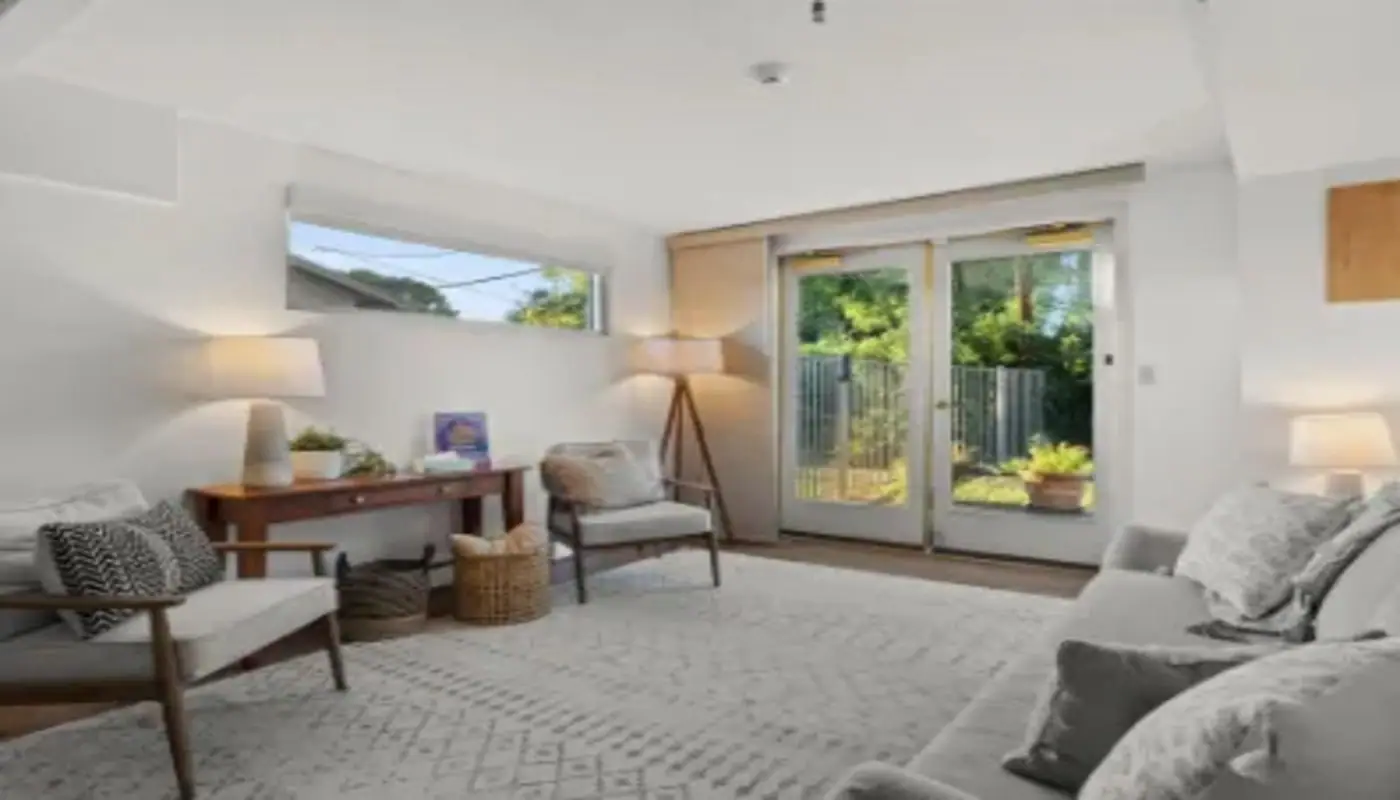
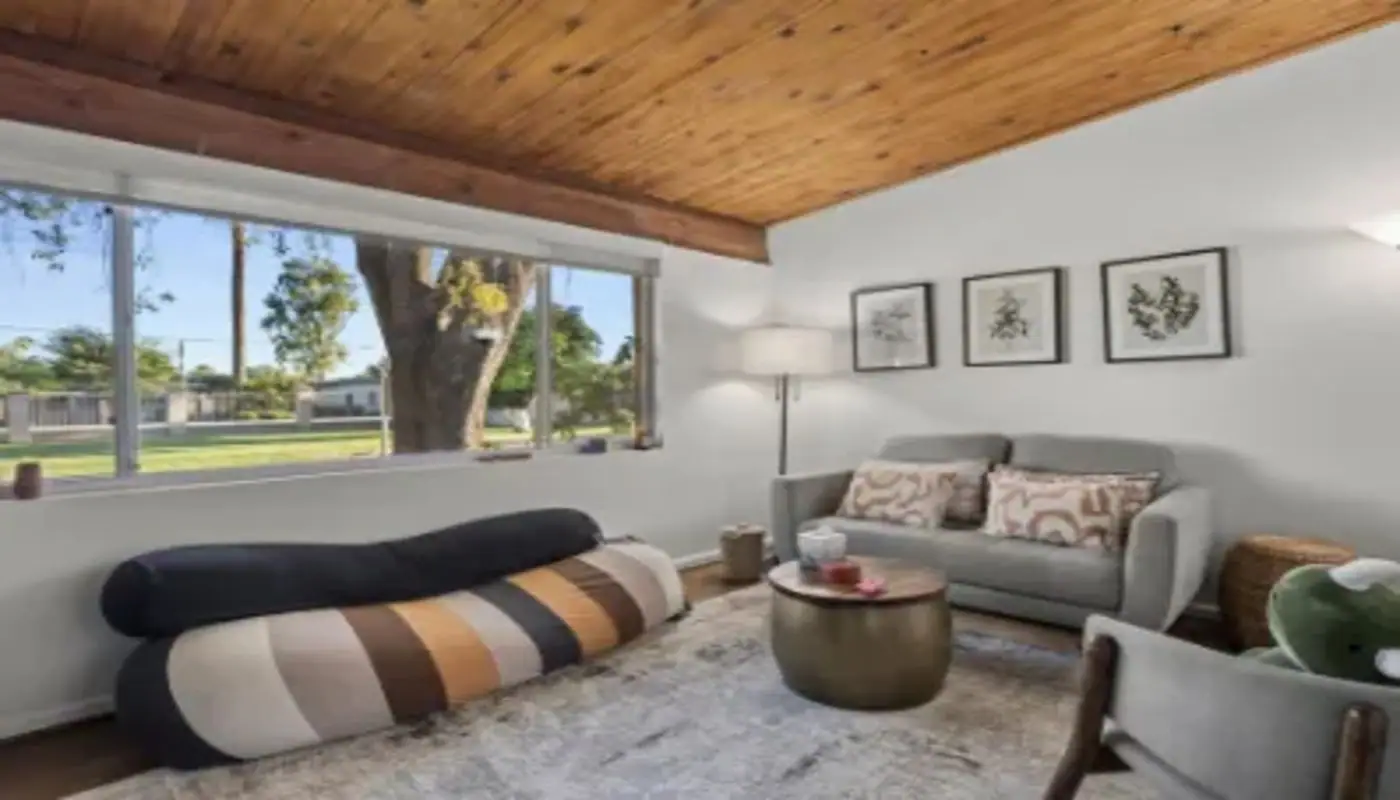

Since 2000, The Rosemary Tree has been part of Phoenix's behavioral health landscape, providing care for adolescents and adults. The center describes its model as whole-person care, blending established clinical methods with creative, nature-oriented activities. Because treatment plans are individualized, the blend of therapy and experiential work is adjusted to each person's needs and diagnosis.
The center's offerings are broad: therapy for individuals, couples, families, and groups. Adolescents have their own options, among them an intensive outpatient program and a residential program that serves ages 12 to 17. Those programs take on mood concerns, trauma, self-harm, substance use, and behavioral challenges. A dialectical behavior therapy group for teens is also available, giving participants room to build mindfulness, emotional regulation, and skills for coping with stress.
The Rosemary Tree Phoenix
The Rosemary Tree in Phoenix is listed for both residential rehab and outpatient care, and a stay commonly runs 28 days or longer. Residential care fits adolescents ages 12 to 17 who do better with a structured setting, while outpatient care lets someone remain at home and come in for scheduled therapy. In the teen dialectical behavior therapy group, participants work on mindfulness, emotional regulation, and ways to cope with stress. Arizona rehab centers such as this one provide residential and outpatient care, and the main difference between them is how much supervision and structure each involves. When a child seems to need a more structured setting, residential care may be recommended instead of outpatient services.
Among the therapies at the center are group therapy, narrative therapy, cognitive behavioral therapy, meditation and mindfulness, individual counseling, art therapy, acceptance and commitment therapy, internal family systems therapy, and family therapy. Its methods are described as evidence-based, family-involved, and holistic. The team blends structured methods with expressive activities like art and nature-based work. This Arizona rehab center also lists holistic and family-involved approaches next to evidence-based therapies, so ask how each fits a treatment plan. Where family involvement shows up in a program listing, plan on regular family sessions in the schedule.
- Group Therapy
- Cognitive Behavioral Therapy
- 1-on-1 Counseling
- Meditation & Mindfulness
- Family Therapy
- Acceptance and Commitment Therapy (ACT)
- Evidence-Based
- Holistic
- Art Therapy
- Narrative Therapy
Who the program is built for
- Adolescents ages 12 to 17, including boys and girls
- Loved ones and family members involved in treatment
- Individuals dealing with conditions such as ADHD, anxiety, bipolar disorder, depression, OCD, PTSD, stress, and trauma
- Families seeking a licensed primary mental health provider for a teen
- Those who need continuing care and discharge planning after treatment
Phoenix setup and time in care
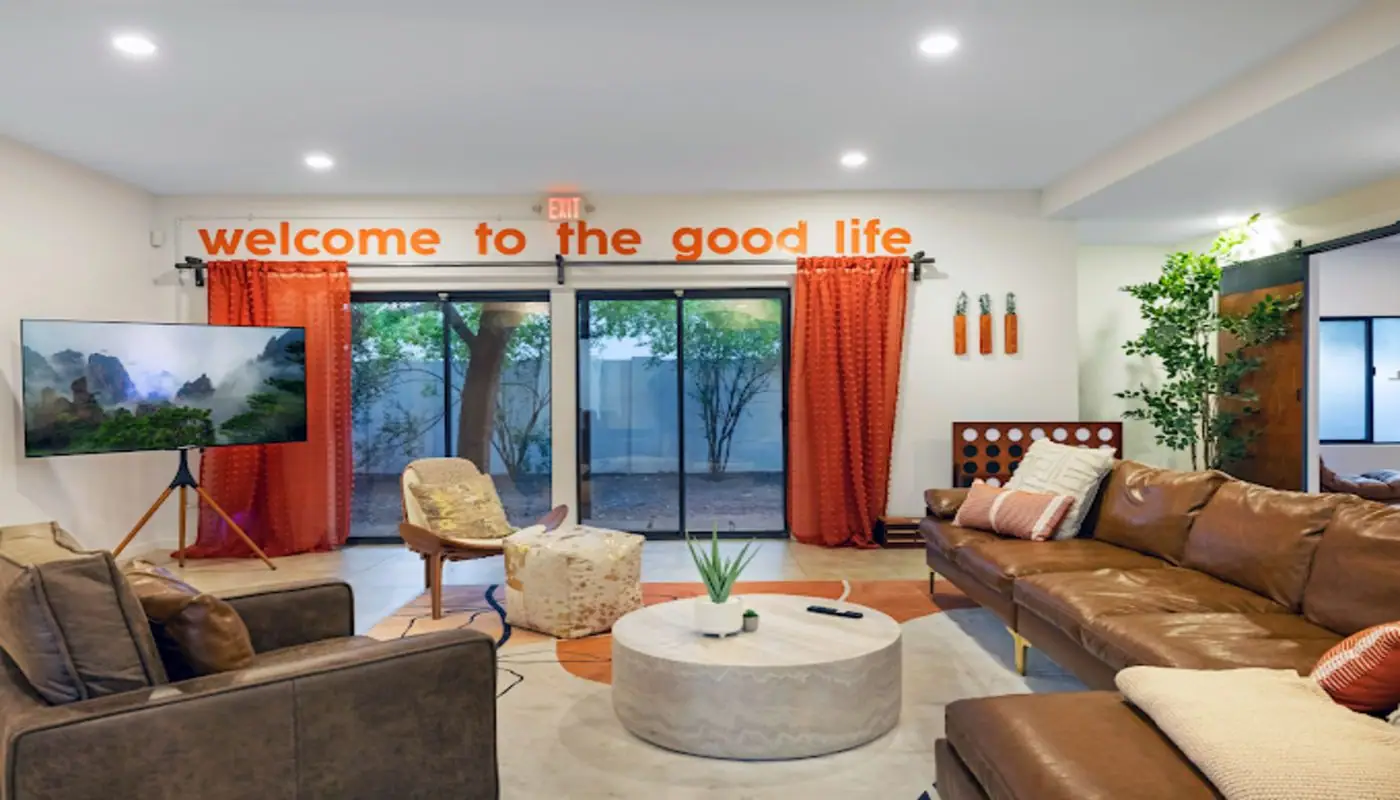
A typical program length of 28 days or more is listed by The Rosemary Tree, along with amenities such as access to nature, air-conditioned rooms, chef-prepared meals, and a recreation room. Shared rooms and shared bathrooms are among the personal amenities. Games and physical fitness are offered as activities. Services are provided in English. This Phoenix rehab center is located at 1102 E Missouri Ave, with shared rooms and meals prepared on site, so ask about daily schedules and visiting policies before admission. If the residential program interests you, ask how room assignments and shared bathrooms are handled.
- Access to Nature
- Chef-prepared Meals
- Air-Conditioned Rooms
- Recreation Room
Phoenix treatment cost options
The Rosemary Tree names self-pay pricing. Insurance coverage is absent from the center's public information, so check any plan with your insurer and the center's staff before admission. The helpline can help you learn whether a plan covers a particular level of care. When a center lists cash pay rates, ask for a written cost breakdown and confirm what insurance may reimburse before you commit to a program. If you plan to use insurance, get a written estimate of what you will owe after benefits are applied.
Questions before you are admitted
- What level of care does the facility recommend for my situation, and what is the reasoning behind it?
- Does the center accept my insurance, and what portion of the cost will I owe after benefits apply?
- How is the treatment plan adjusted over the 28 or more days of the program?
- What kind of family involvement is expected, and how frequently do family sessions take place?
- What continuing care and discharge planning are provided when treatment ends?


Further centers in Phoenix
-
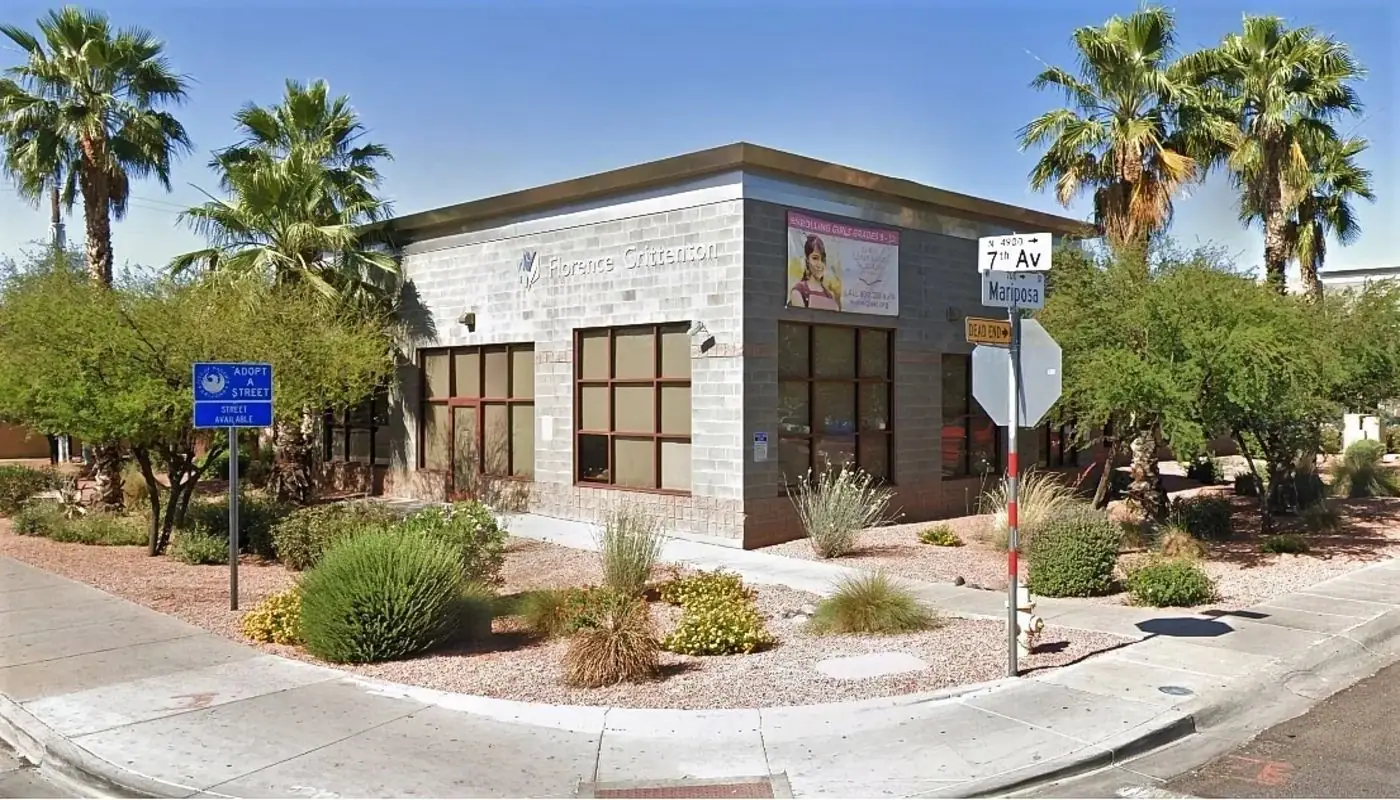
Florence Crittenton Therapeutic Group
Florence Crittenton therapeutic group Phoenix serves girls and young women in a residential setting.
Phoenix, AZ
30 days
- Outpatient
- Residential Rehab
-
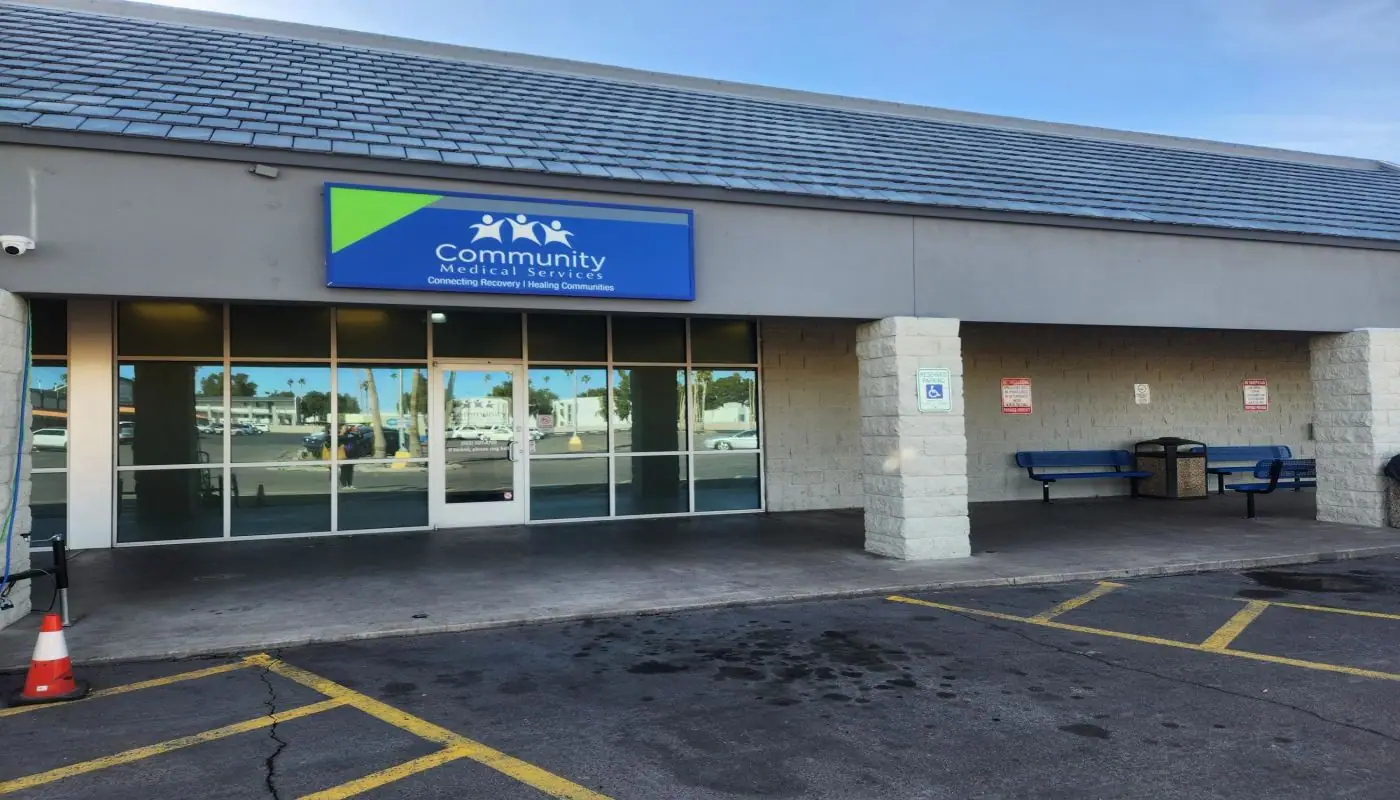
Community Medical Services Cactus Road
4.2/5208 Google reviews
Community Medical Services Cactus Road Phoenix is an outpatient clinic for opioid use disorder.
Phoenix, AZ
7+ days
- Outpatient
-
Milestone Recovery Arizona
Milestone Recovery Arizona Phoenix treats substance use and co-occurring conditions.
Phoenix, AZ
30 Days16-30 beds
- Joint Commission
- Outpatient
- Co-Occurring Mental Health
-
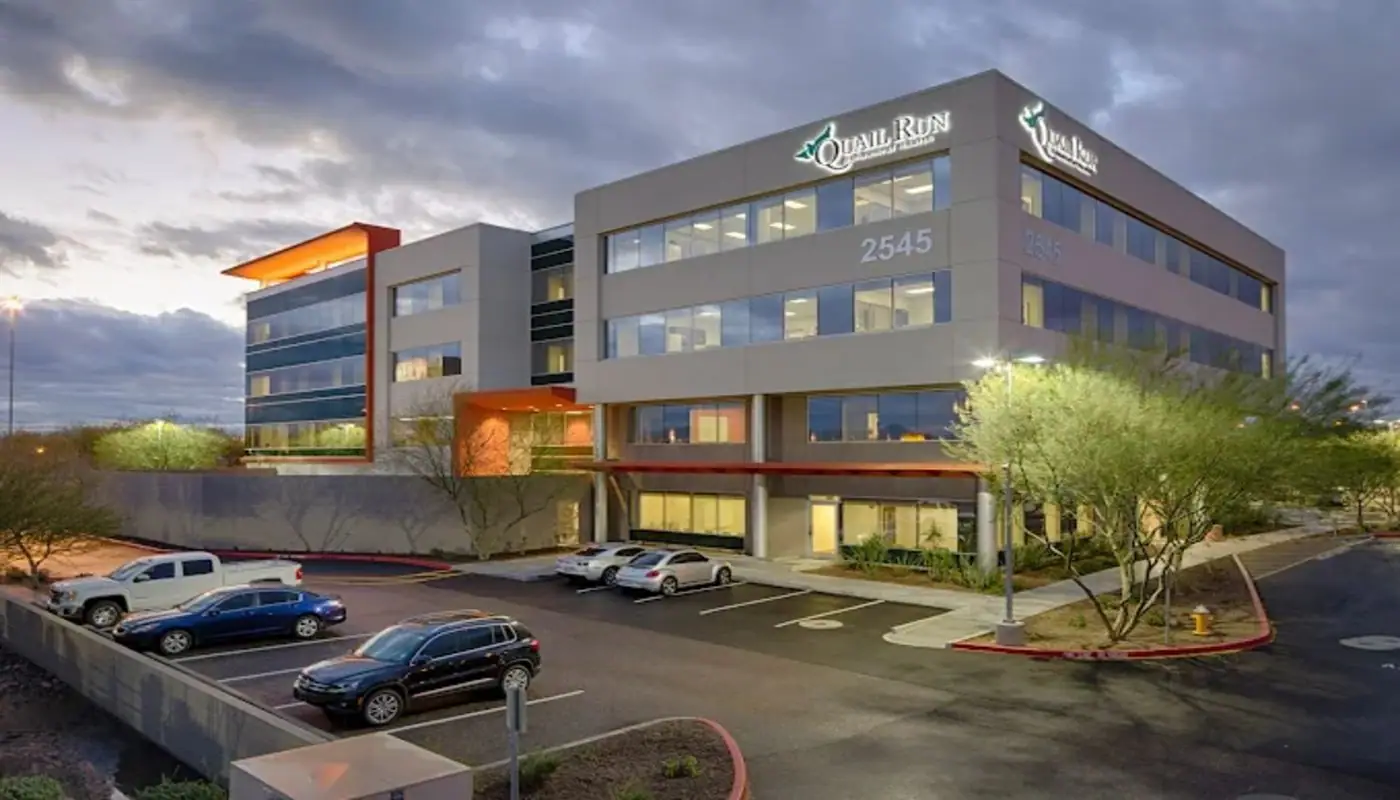
Quail Run Behavioral Health
Quail Run Behavioral Health Phoenix is an outpatient mental health center in north Phoenix.
Phoenix, AZ
5 days
- Joint Commission
- Outpatient
-
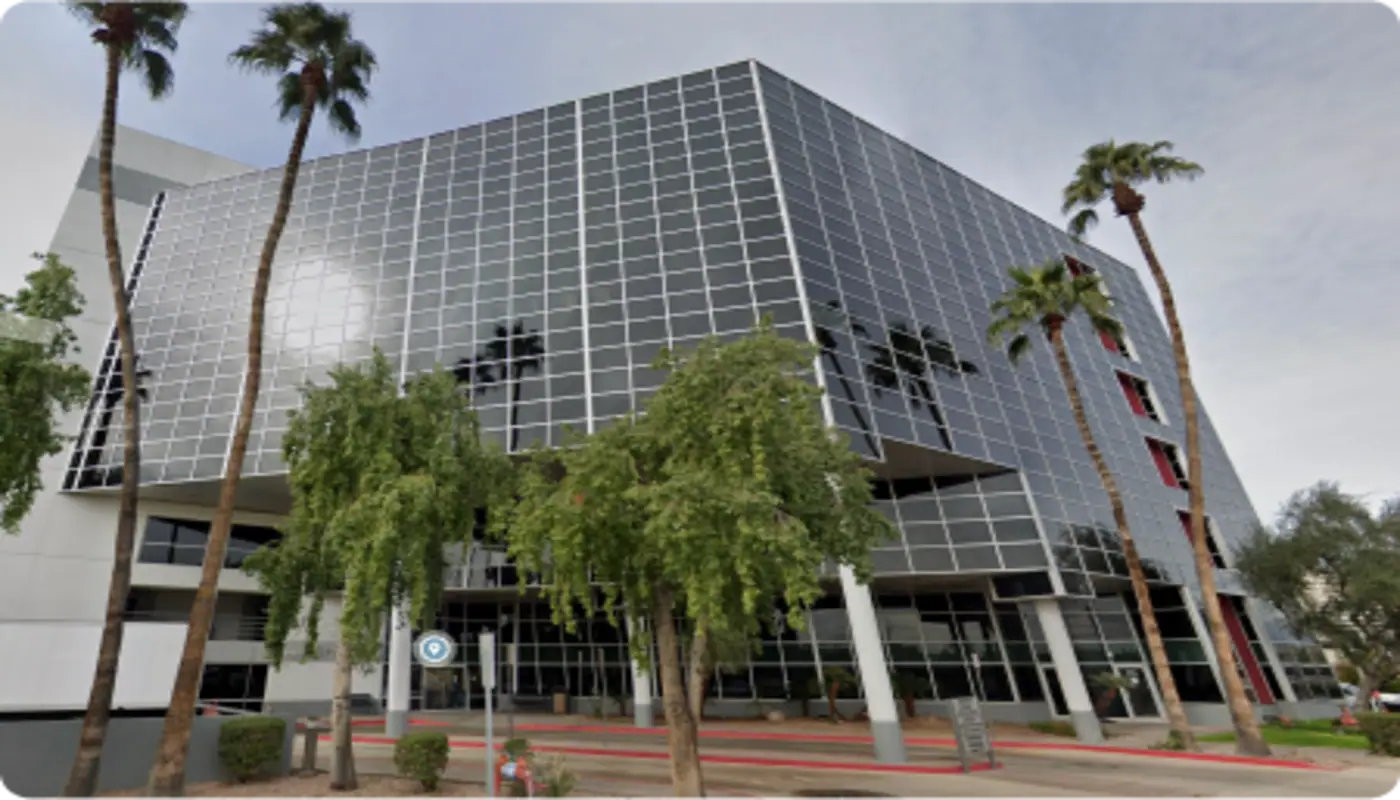
Denova Collaborative Health Bella
Denova Collaborative Health Bella Vista sits on North 2nd Street in Phoenix.
Phoenix, AZ
5 days
- Outpatient
-
The Embers Recovery
4.8/534 Google reviews
Located on North 44th Street, The Embers Recovery Phoenix is an outpatient center.
Phoenix, AZ
- Outpatient

Good to know
What ages does The Rosemary Tree Phoenix serve?
The Rosemary Tree serves adolescents ages 12 to 17 in its residential program and offers outpatient and therapy services for adolescents and adults. The center lists boys, girls, and loved ones among those it treats. For specific age ranges in each program, call the center directly. The free helpline can also help you confirm whether a program fits your situation.
How long is treatment at The Rosemary Tree?
The center's listing notes that a typical program lasts 28 days or more. How long it actually runs depends on the person's needs and the level of care. For adolescents, residential care can last longer than outpatient services. Ask the center how it decides when someone is ready to step down or leave.
Does The Rosemary Tree accept insurance or Medicaid?
The center's listing shows self-pay pricing. Insurance or Medicaid coverage is not stated in its public listing. What is covered depends on the recommended level of care and your plan's network. To see whether your plan covers this Phoenix center, call the helpline and request a written cost estimate from the center before admission.
What therapies does The Rosemary Tree offer?
The center's services include narrative therapy, art therapy, cognitive behavioral therapy, meditation and mindfulness, internal family systems therapy, family therapy, acceptance and commitment therapy, group therapy, and one-on-one counseling. Its approaches are described as evidence-based, family-involved, and holistic. Ask which of these therapies the recommended level of care includes.
How do I verify coverage for The Rosemary Tree Phoenix?
Checking coverage starts with a call to the center and another to your insurance plan. Self-pay pricing is offered, yet insurance or Medicaid details are missing from its public listing. Ask both parties for a written summary showing what is covered and what you would owe. For free and with no strings attached for you, the free helpline can help you compare options.