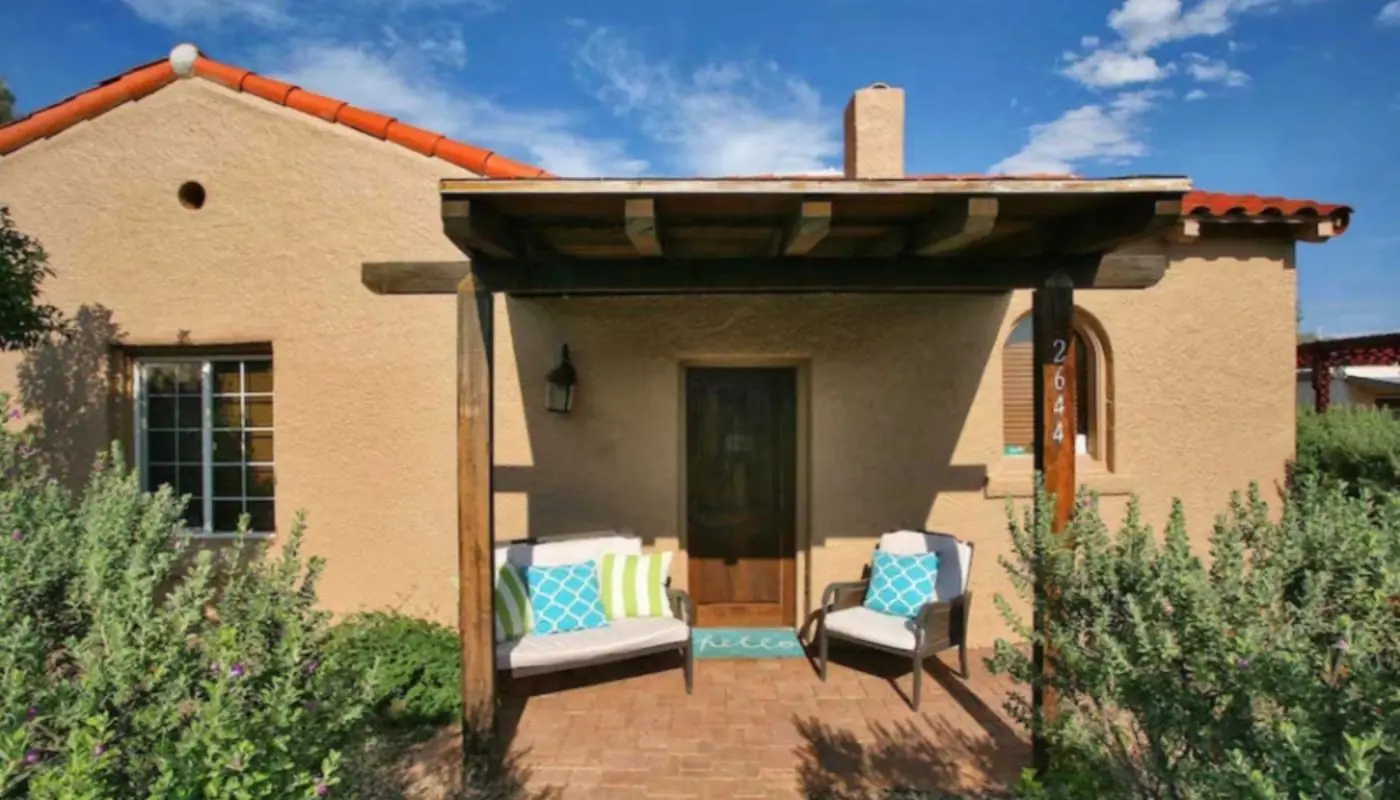
Inbalance Transitional Living Tucson
Inbalance Transitional Living Tucson offers structured sober living for young men after formal treatment. Arizona has 433 SAMHSA lists this center among its facilities option. Below is how it works, who it serves and what to ask.
- Joint Commission
- Co-Occurring Mental Health
- 30 days
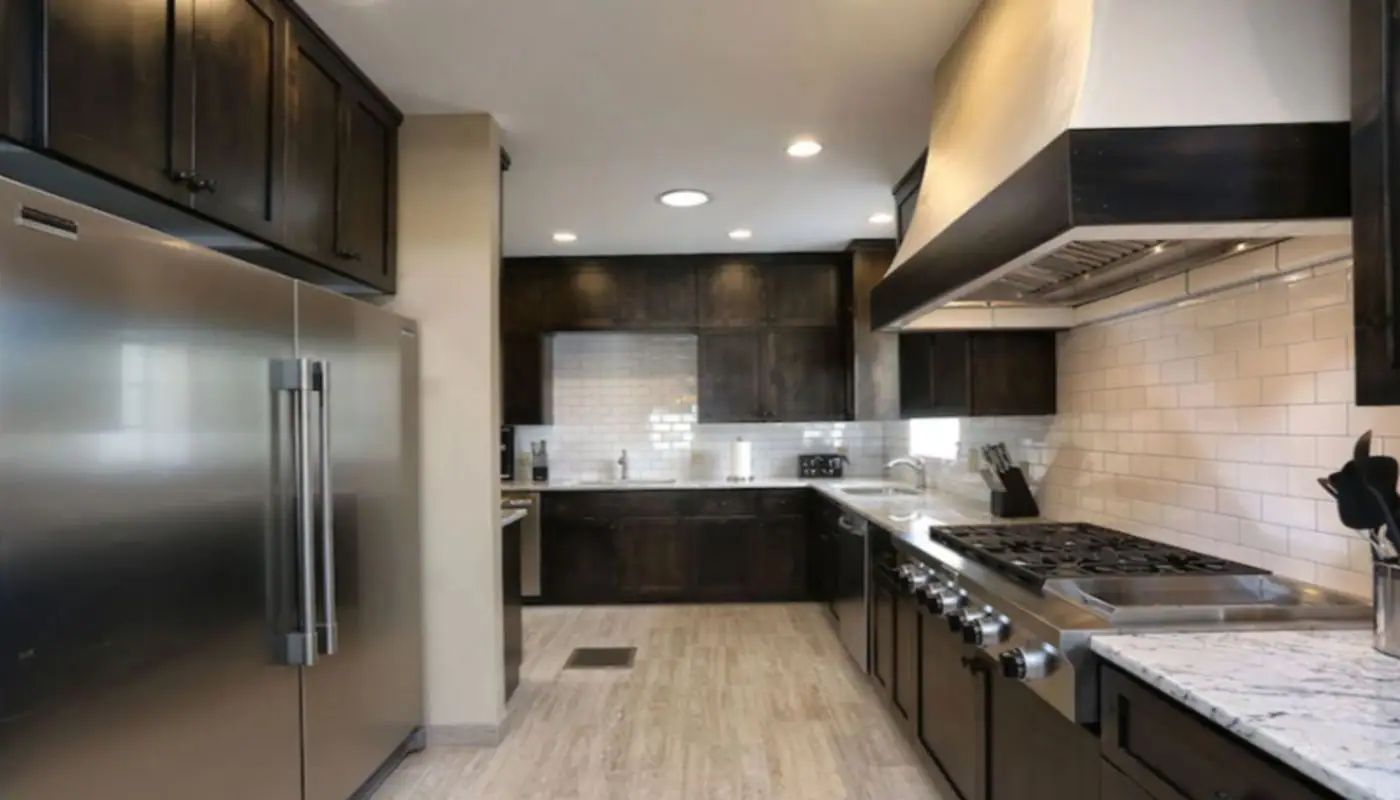
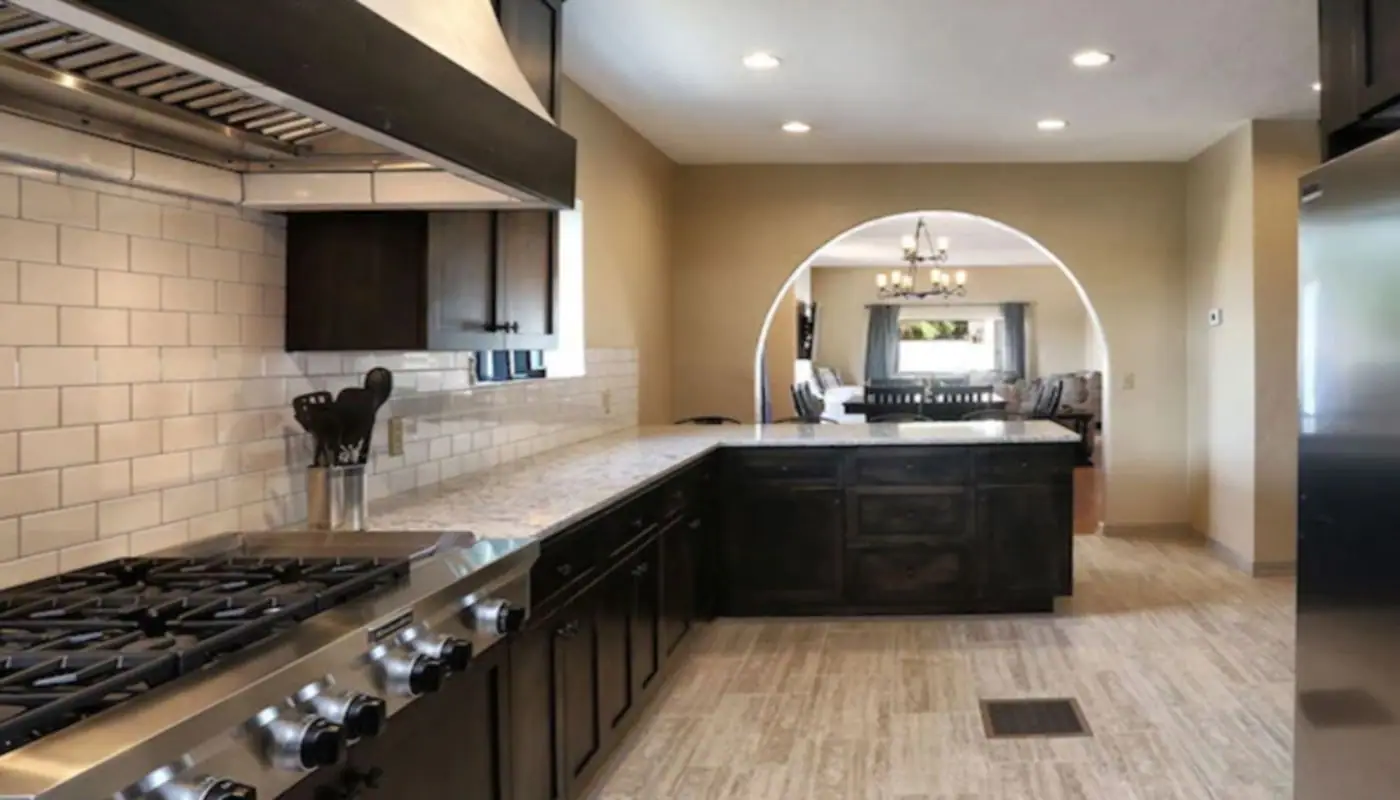
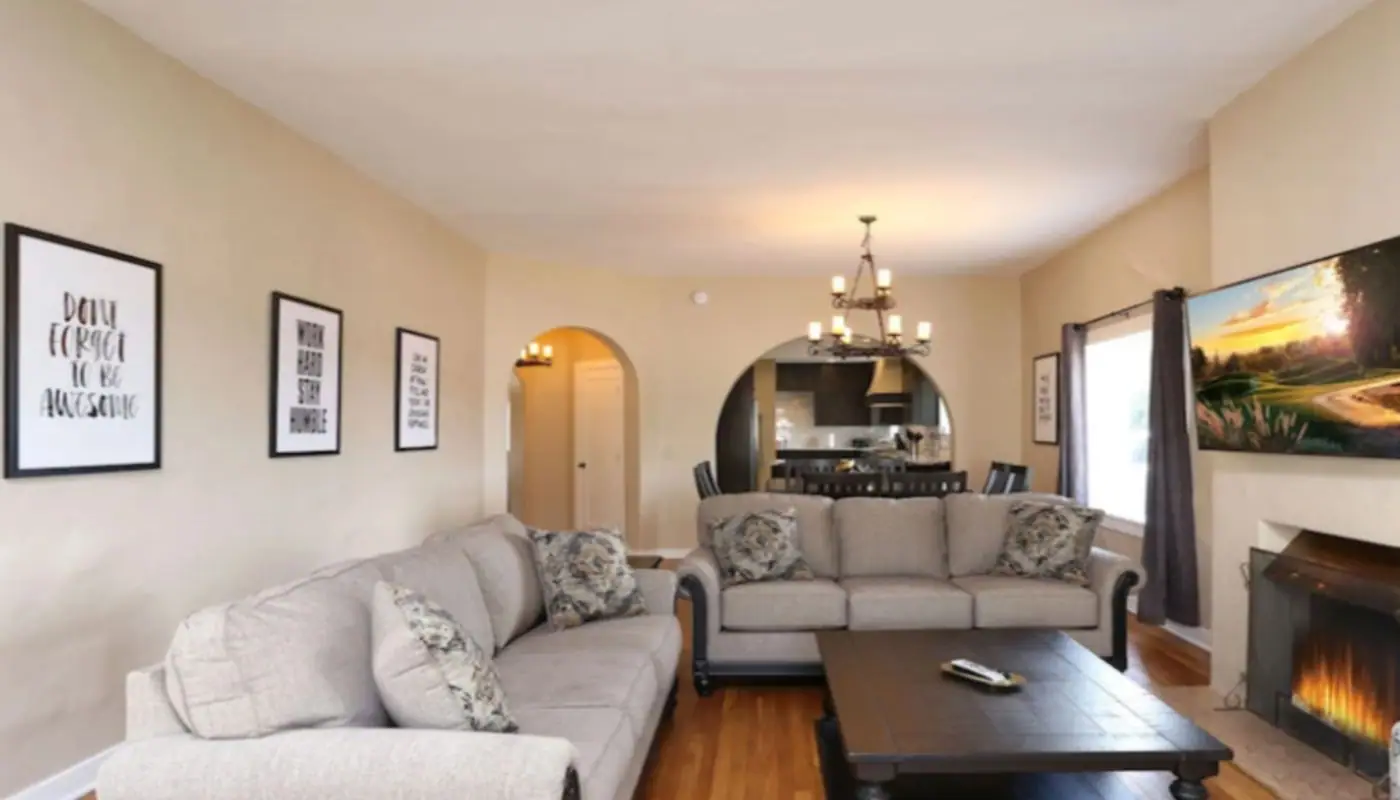
Inbalance Transitional Living Tucson is for young men ranging from high school age to the post-college years who have already completed formal addiction treatment and now need a dependable, orderly setting in which to maintain sobriety. Fellowship anchors everything here. Residents go to Twelve Step meetings together and take part in house meetings, and each man sits down regularly with a life coach on the center's staff to review how his Twelve Step work, physical health and money management are going, including spending and account activity.
The therapeutic focus is on rebuilding a daily life rather than reliving the past. Family therapy sessions happen monthly, and families are encouraged to attend Al-Anon meetings between sessions. For residents still in high school, a dedicated teacher runs a classroom on site, with school Monday through Thursday from 9:00 a.m. to 2:30 p.m. Recreation is part of the schedule too, and when you call, the helpline connects you with licensed providers across Arizona at no cost.
This Tucson transitional living program carries Joint Commission accreditation, holds dual diagnosis care alongside substance use treatment, and was founded in 2006. The center treats substance use involving benzodiazepines, cocaine, heroin, marijuana, methamphetamine, prescription drugs and synthetic drugs, along with conditions such as anger, anxiety, depression and trauma. If a young man relapses during his stay, then the clinical team can reassess his level of care rather than leave him to manage alone.
Programs and therapies at Inbalance
Inbalance Transitional Living Tucson is a transitional living program for young men, typically lasting 30 days, with capacity for 16 to 30 beds. This Arizona center offers dual diagnosis care alongside its rehab services, and therapy includes family therapy group therapy individual counseling, art therapy, music therapy, recreation therapy, Twelve Step facilitation and yoga. Approaches are gender-specific, therapeutic community and Twelve Step.
Residents attend Twelve Step meetings together and house meetings as a group, and the life coach monitors Twelve Step work, physical activity and budgeting. If you are comparing rehab centers in Arizona, then ask how each one handles aftercare, because this program offers alumni reunions and support meetings once residents move on. High school students keep their coursework with a teacher in a dedicated classroom, and families get monthly therapy sessions with Al-Anon encouragement in between.
- Therapeutic Community
- Music Therapy
- Art Therapy
- 1-on-1 Counseling
- Twelve Step Facilitation
- Twelve Step
- Yoga
- Recreation Therapy
- Gender-Specific
- Family Therapy
Who the program is built for in Tucson
- Young men, from high school age through the post-college years, who have finished formal addiction treatment.
- Adults whose substance use disorder involves benzodiazepines, cocaine, heroin, marijuana, methamphetamine, prescription medications or synthetic drugs.
- People also living with dual diagnosis care, for example anger, anxiety, depression or trauma.
- Young men seeking consistent direction, routine and a community that supports them in staying sober.
- High school students who need to continue their education while living in transitional housing.
Setting and program length in Tucson
The typical program length at Inbalance Transitional Living Tucson is 30 days, with a capacity of 16 to 30 beds. Residents stay in private or shared rooms and have access to nature as an amenity. The program is offered in English. The center is located at 6107 E Grant Rd, Tucson, AZ 85712, and was founded in 2006. The setting is designed to provide structure and community for young men in early recovery. For those who need a longer stay, the center can discuss options during the intake process.
Paying for the Tucson program in Tucson
Confirm payment options at Inbalance Transitional Living Tucson with the center itself, since particular insurance plans and private pay arrangements differ. When you call the helpline, advisors can help check if your coverage applies here, and the conversation remains private and costs you nothing. If you have Arizona Medicaid through AHCCCS, ask the center whether it participates, because transitional living coverage can differ from primary treatment coverage. No promise is made until benefits are verified by phone.
Questions before you are admitted
- What does a month cost right now, and what is included in that amount?
- Do you accept my specific insurance plan, and how do I verify benefits?
- What is the typical length of stay beyond the standard 30 days?
- How is the life coach involved in daily life and budgeting?
- What aftercare support is available after I leave the program?
- How does the center handle a resident who relapses during the stay?

Further centers in Tucson
-
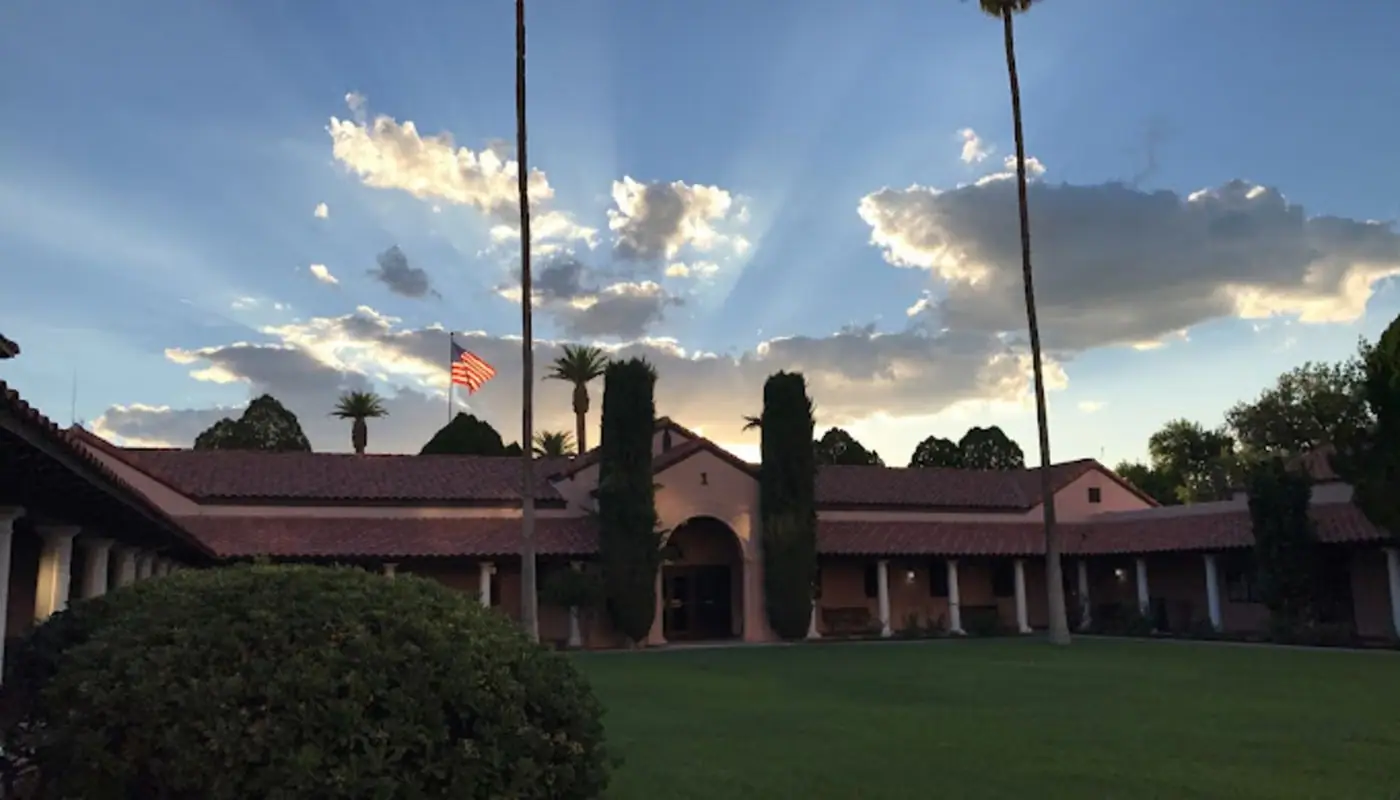
Tucson VA Medical Center
3.6/5414 Google reviews
Tucson VA Medical Center Tucson serves veterans through residential and outpatient care.
Tucson, AZ
30 days
- Joint Commission
- Outpatient
- Residential Rehab
-
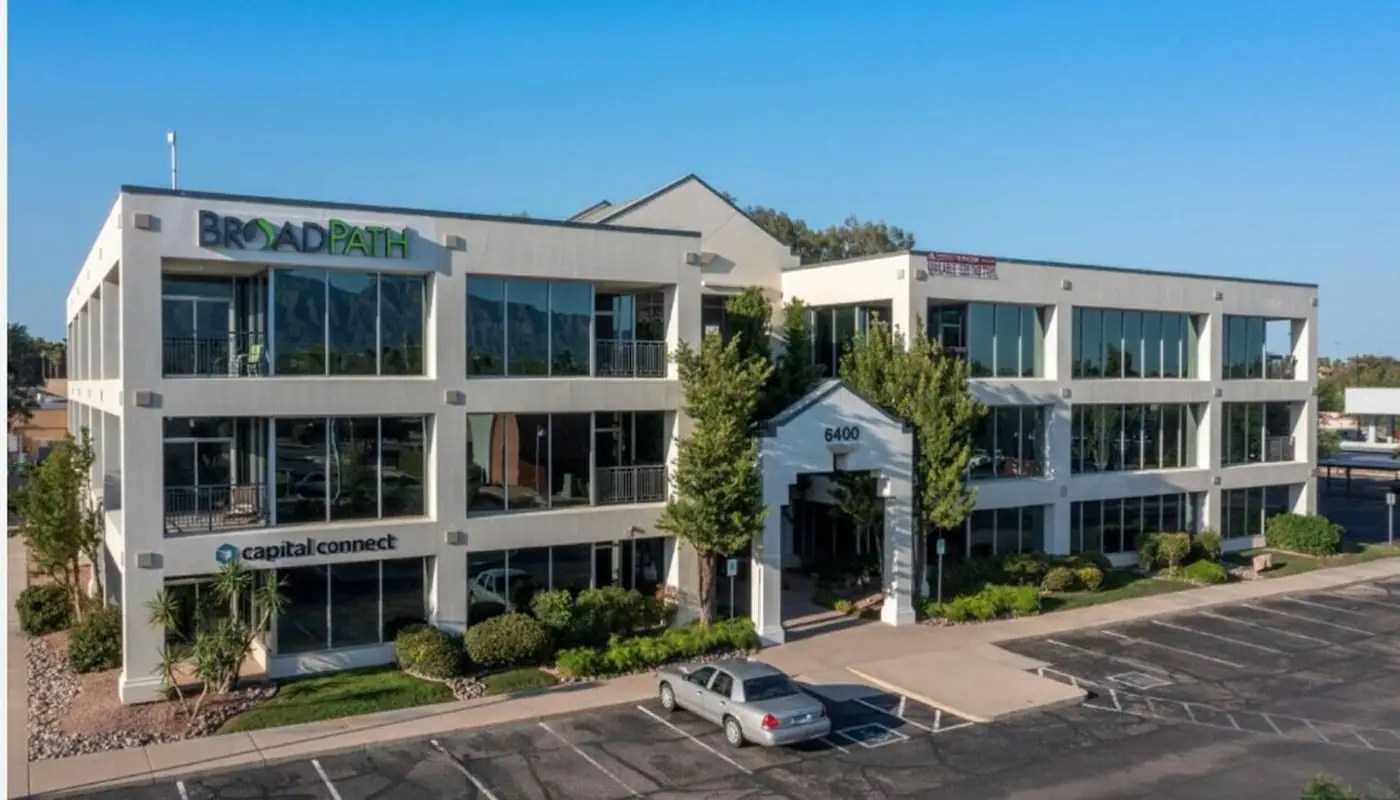
Recovia Grant Road
4.4/533 Google reviews
Recovia Grant Road Tucson provides outpatient care for substance use and chronic pain.
Tucson, AZ
5 days
- Joint Commission
- Outpatient
- Detox
-
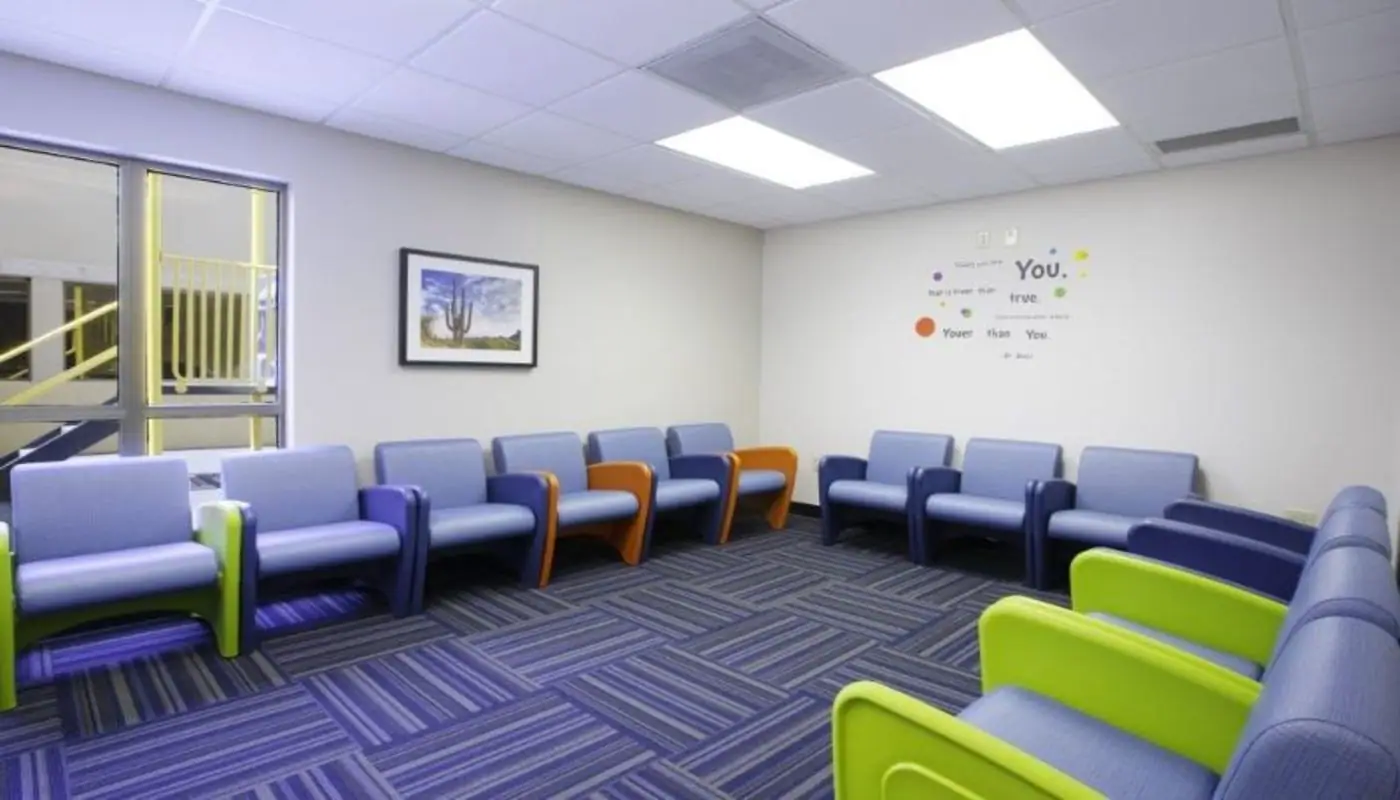
Palo Verde Behavioral Health
3.1/5270 Google reviews
Palo Verde Behavioral Health Tucson is a mental health and detox center on Craycroft Road.
Tucson, AZ
14 days
- Joint Commission
- Detox
-
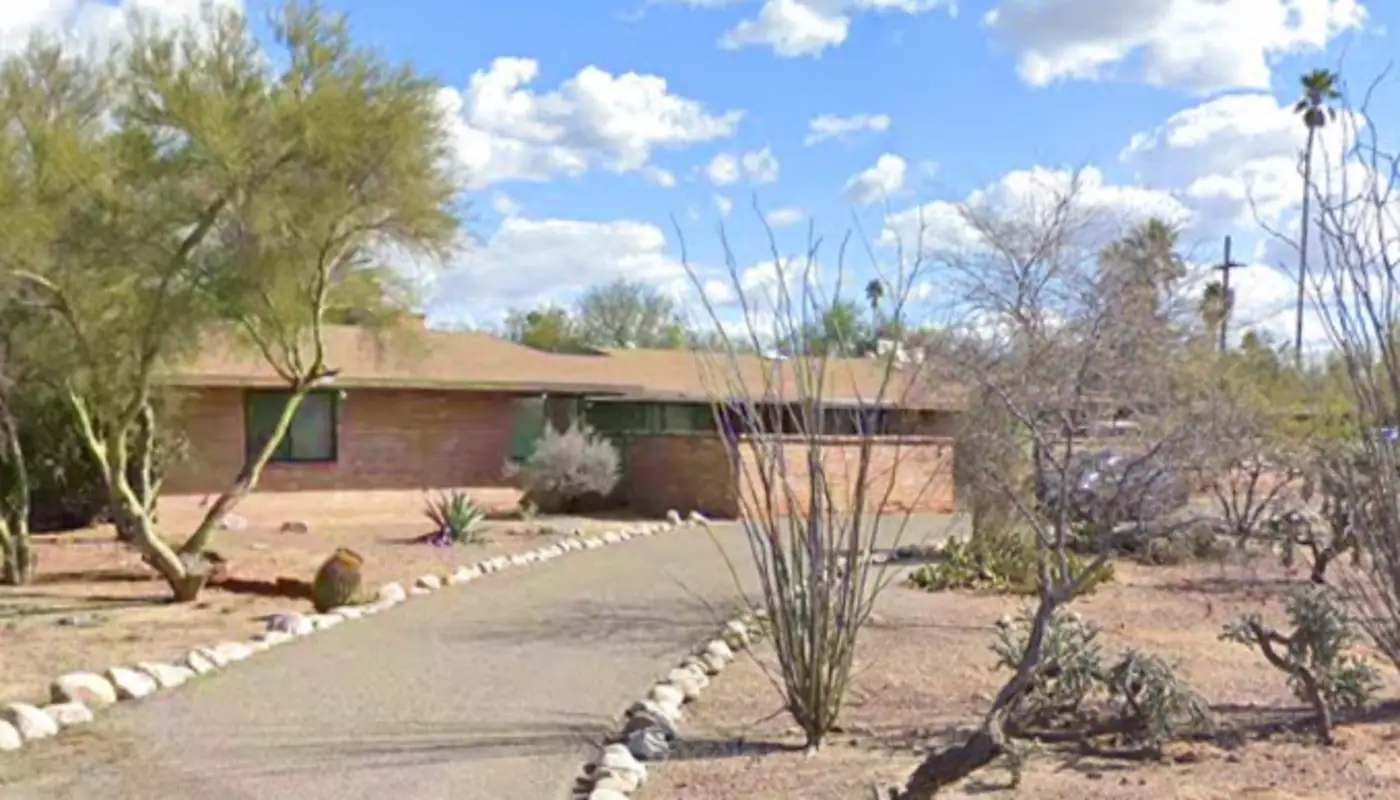
COPE Community Services Gemini
Cope Community Services Gemini Tucson provides residential and outpatient behavioral health care.
Tucson, AZ
30 days
- Outpatient
- Residential Rehab
-
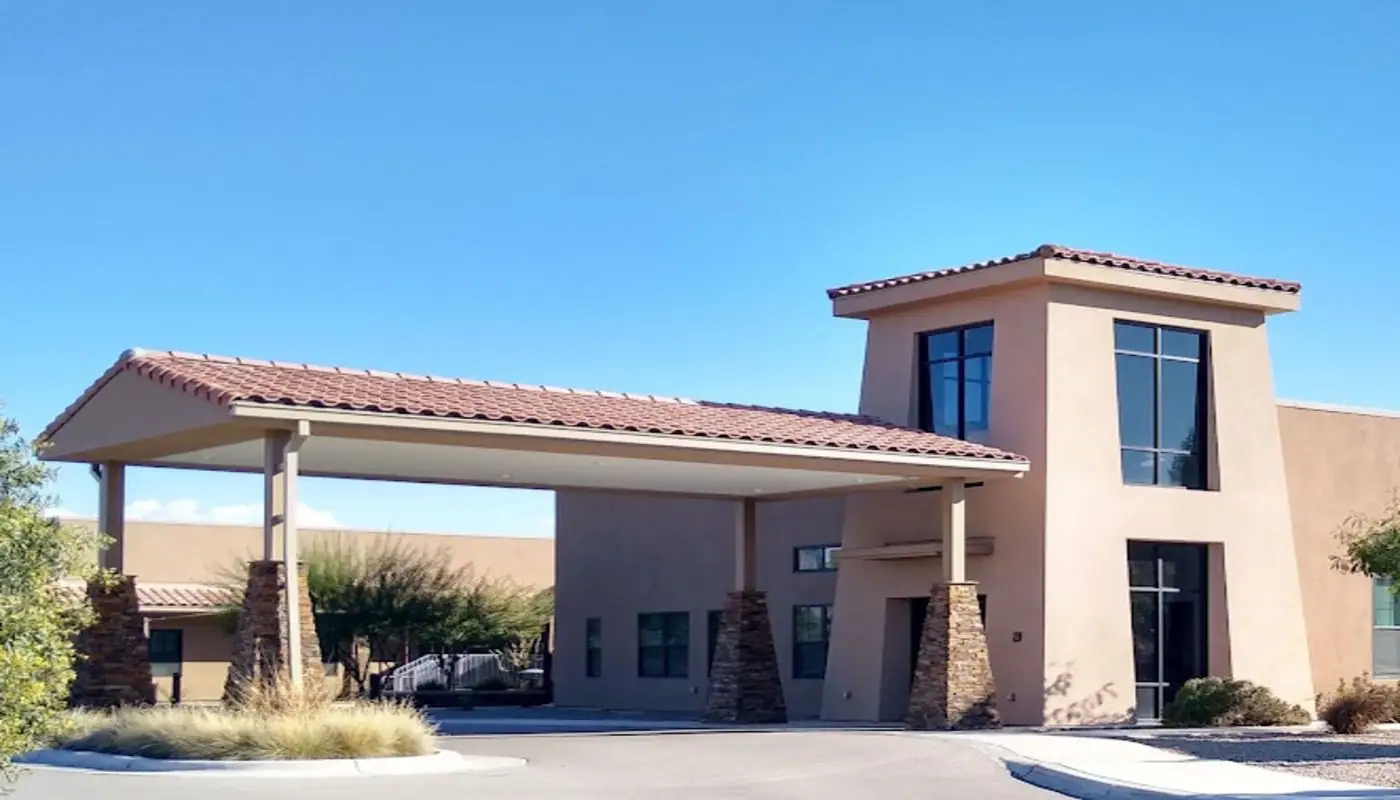
Buena Vista Recovery Tucson
4.0/586 Google reviews
Located on East Pima Road, Buena Vista Recovery Tucson holds Joint Commission accreditation.
Tucson, AZ
30 days
- Joint Commission
- Outpatient
- Detox
- Co-Occurring Mental Health
-
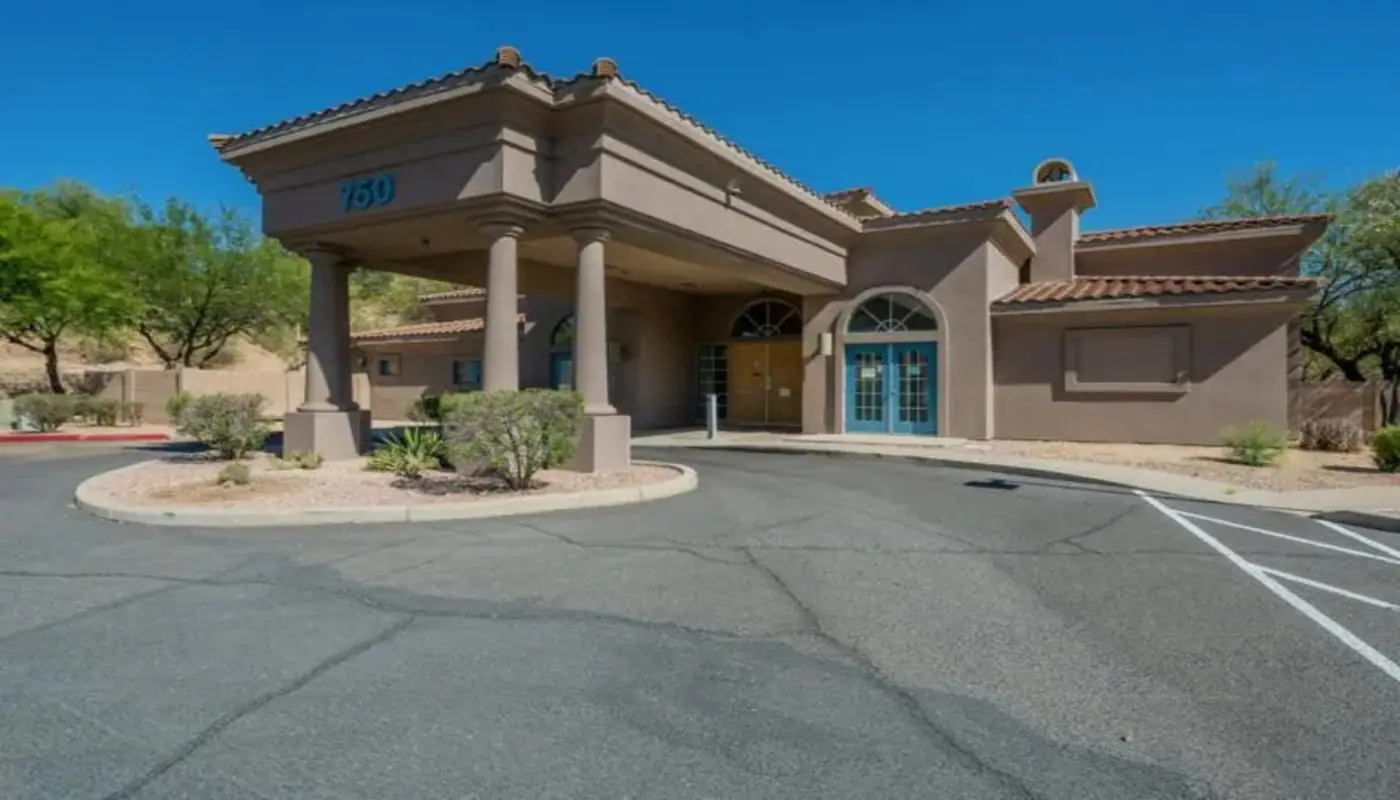
Montare Behavioral Health Tucson
4.5/531 Google reviews
This page explains what Montare Behavioral Health Tucson offers and how to check it.
Tucson, AZ
30+ days16-30 beds
- Joint Commission
- Co-Occurring Mental Health
- Residential Rehab

Good to know
Does Inbalance Transitional Living Tucson accept insurance?
Specific plans are not listed in the center's public information, so you will need to confirm payment arrangements by phone prior to admission. For free and with no strings attached for you, the helpline can help you verify whether your plan covers transitional living services here. Statewide, Arizona has 433 SAMHSA-listed facilities, so it is worth the time to compare coverage options before deciding. If your plan does not fit, the helpline can point you toward other licensed programs.
How long is the program at Inbalance Transitional Living Tucson?
A typical stay runs 30 days. The center can house 16 to 30 beds. Certain residents may need more time, something you can discuss during intake. The structured schedule covers house meetings, Twelve Step meetings and, for high school students, classroom instruction Monday through Thursday from 9:00 a.m. to 2:30 p.m. If a stay needs extending, the team can walk through what that involves.
What therapies are offered at Inbalance Transitional Living Tucson?
Services include one-on-one counseling, group work, family sessions, art and music therapy, recreation therapy, help with Twelve Step work, and yoga. The center follows a therapeutic community model and uses gender-specific and Twelve Step approaches. Family sessions take place once a month, and relatives are encouraged to go to Al-Anon meetings in between. The center holds Joint Commission accreditation. If you want to know how therapy is laid out from week to week, bring that up on the intake call.
Is Inbalance Transitional Living Tucson a good fit for young men in high school?
Yes, the program supports continued education for high school-age residents. A dedicated teacher works with students in a classroom on site, with school Monday through Thursday from 9:00 a.m. to 2:30 p.m. That shortened schedule covers coursework while leaving time for recovery and life skills. The center serves young men from high school through post-college age who have completed formal treatment. The helpline can confirm whether a place is open for a student right now.
What happens if someone leaves treatment too early?
Leaving before a program finishes raises the chance of returning to drinking or drug use, and for alcohol or benzodiazepines, withdrawal can become dangerous without clinical oversight. A clinician should manage that period because seizures and other serious reactions are possible. If a young man is unsure about staying, then talking with the center's staff or calling the helpline can help sort out the next step before he walks away.